
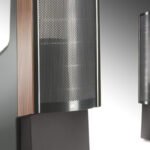
The Audio Note J loudspeakers have carved out a notable niche in the audiophile community, not for their pristine lab measurements but for the emotionally engaging listening experience they deliver. These speakers bring a unique warmth to music, leading many listeners to describe them as ‘natural’ and ‘inviting.’ But what makes them stand out in a world where numbers often dictate choice?
Design Philosophy: Prioritizing Experience Over Numbers
Unlike many modern brands that rely heavily on specifications and measurements, Audio Note follows a distinctive design philosophy: the listening experience is paramount. While their speakers may not always top the charts in technical tests, they shine in real-world scenarios. It’s this focus on emotive sound reproduction that has won the hearts of audiophiles, who appreciate the rich soundstage and tonal richness that these loudspeakers offer.
Why They Sound So Good: A Closer Look
Built with high-quality materials and craftsmanship, the Audio Note J loudspeakers aim to reproduce music as it’s intended to be heard. While brands that prioritize measurement might emphasize bass extension and transient response, Audio Note embraces imperfection, allowing harmonic richness to take center stage. Their affordable amplifier series complements these speakers perfectly, further enhancing the warm audio signature that makes every listening session a delight.
Conclusion
In summary, if you’re hunting for loudspeakers that evoke emotion and provide an immersive experience, consider the Audio Note J series. Their unique approach offers a refreshing alternative to the conventional measurement-focused sound. Dive into your favorite albums and let the warmth of Audio Note transport you to new auditory realms!
—
Key Specs (typical across the range)
Type: 2-way, rear-ported standmount
Drivers: 1″ soft-dome tweeter; 8″ paper or hemp mid-bass (version-dependent)
Sensitivity: ~93 dB/W/m
Nominal Impedance: 6 Ω
Claimed in-room response: 25 Hz–23 kHz (±6 dB)
Recommended power: as low as ~7 WPC; up to ~150 WPC unclipped
Placement: close to rear wall; near side walls; generous toe-in recommended
—
Editor’s Note—Who Will Love It
Yes: Tube amp owners; small-to-medium rooms that allow wall/side-wall placement; listeners who value timbre, flow, and dynamic “jump.”
Maybe not: Free-space, mid-room placements; listeners who demand textbook on-axis flatness or razor-beam imaging.



Leave a Reply